


The Sahel in general, and the Western Sahel in particular, constitute a geographical unit of growing strategic relevance within the contemporary international system. This region has emerged as a key arena both for global security and for dynamics of hegemonic competition, in a context increasingly defined by intensified rivalry among state and non-state actors. The stakes are higher than the general public usually believes. The yearly output of iron from Mauritania (c. 14 million tons), uranium from Niger (supplying 25% of European demand), more than 200 tons of gold (i.e., 5% of world output) produced in just three countries (Mali, Burkina Faso, and Niger), and the rising offshore oil and gas of Senegal (16.7 million barrels in 2024) and Mauritania (2.5 million tons of LNG) are playing a significant role in global supply. Considering also the possible reserves (lithium in Mali, phosphates in Senegal) and the untapped mineral potential of Western Sahara, it is understandable why Western Sahel is becoming a focus of geopolitical clashes.
Despite this wealth, poverty and food insecurity remain endemic, exacerbated by climate change and a lack of stability in the "coup belt". The region has recently undergone profound political and social transformations, which have affected the stability of national states and the configuration of governance structures. Processes such as institutional fragility, the erosion of state legitimacy, and the proliferation of armed actors are primary drivers behind the forced displacement within and migration out of the region: with more than 5.6 million people identified in the Sahel region as refugees and IDPs in 2025, this area is rapidly becoming a priority in the European inner-political space.
Within this framework, it seems timely to organise the 2nd CEAUP Conference on the main contemporary challenges facing the Western Sahel. Like the one hold in 2018 we expect this meeting to focus on the understanding of the rising conflicts and on the increasing involvement of new political actors. Moreover, the persistence—and in some respects, the intensification—of long-standing political conflicts must be taken into account, most notably the issue of Western Sahara. This conflict does not only retain its historical relevance but continues to exert a significant influence on regional dynamics, shaping interstate relations and affecting the balance of power across the Western Sahel.
Panels:
Geopolitical Clashes in Western Sahel
Natural Resources and the Political Economy of the Sahel
Internal Politics of the Sahel States: State Fragility, Non-State Actors, and Jihadist Insurgencies
The Impact of Western Sahara in Regional Dynamics
Climate change and pressure on natural resources
Irregular Migration and the Growing Web of Trans-Saharan Routes
Scientific Board
Aaron Tesfaye
Abderrhamane Taleb
Alexander Zhukov
Maciel Santos
Mourad Aty
Call for papers
Abstract Proposals: Interested candidates are requested to send a 300-word abstract of their paper, specifying:
- The institutional affiliation;
- Email address
- The panel to which they are submitting their paper.
Abstracts should be sent to the following email addresses:
Cette adresse e-mail est protégée contre les robots spammeurs. Vous devez activer le JavaScript pour la visualiser.
Fees: No registration fees are requested.
Working languages (for papers and participation): English, French and Portuguese.
On-line participation: On-line participation is possible. The Organization Board requests that in the paper proposal prospective participants inform whether they intend an on-line or face-to-face presentation.
Conference schedule:
- Call for papers open from 28 April 2026.
- Deadline for abstract submission: 21 June 2026.
- Notification of acceptance: 30 June 2026.
- Conference dates: 19-20 November 2026.
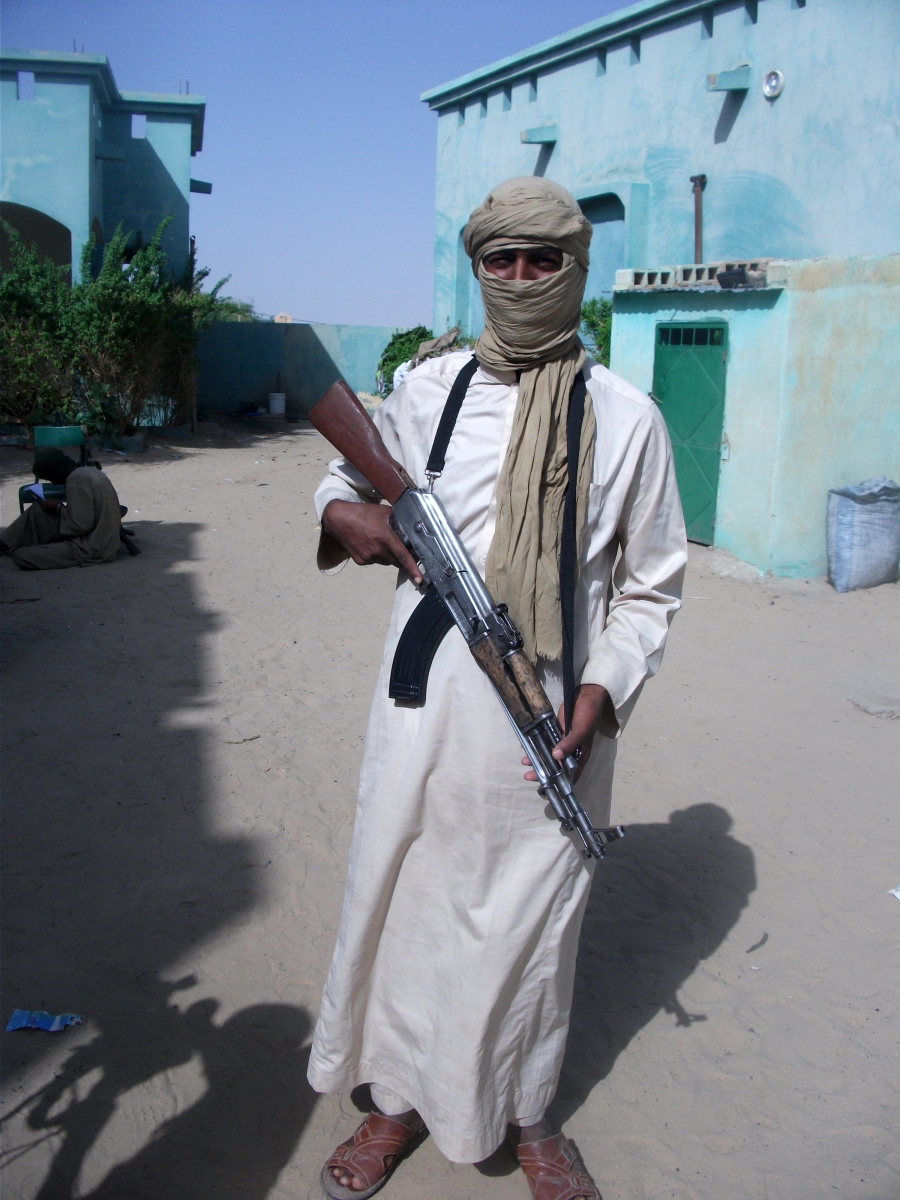
Photo credits: A newly-created AQIM Touareg brigade; 5 December 2012, 10:07; http://www.magharebia.com/r/6k2w